This interview is part of the Leading Asia series, which features in-depth conversations with some of the region’s most value-creating leaders on what it takes to realize bold ambitions and take them further.
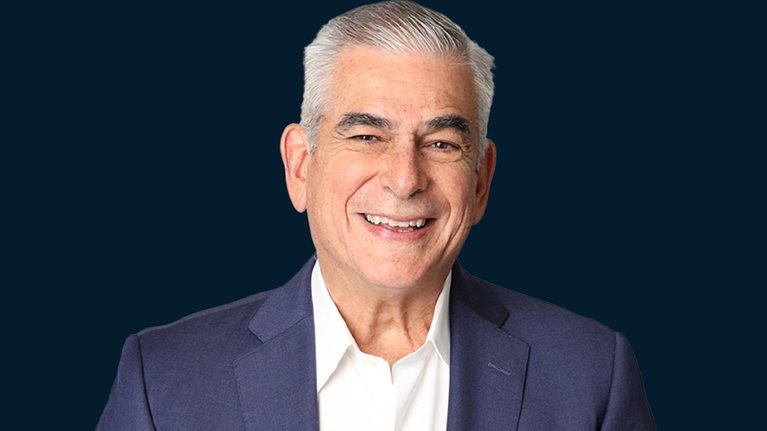
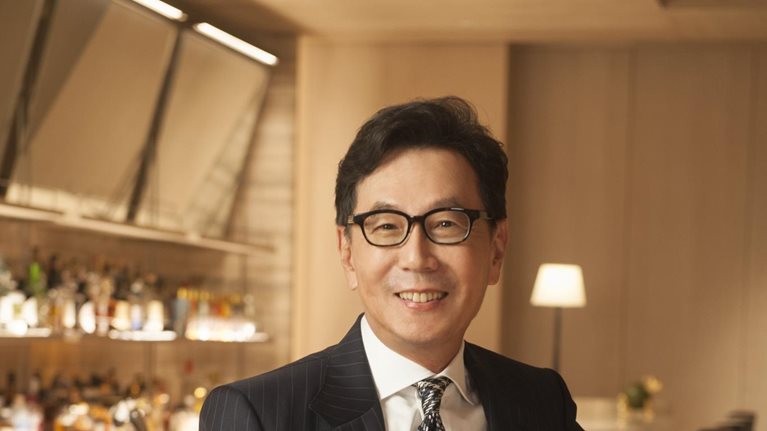
In this Leading Asia interview, Wee Ee Cheong, deputy chairman and CEO of United Overseas Bank (UOB), talks to McKinsey senior partners, Joydeep Sengupta and Guillaume de Gantès, about leading one of the largest banks in Southeast Asia.
With a career that spans more than 40 years with UOB, Wee has built on his late father’s legacy by keeping his focus on the customer, taking a long-term view, and cultivating a strong culture within the bank. He has been known to use the metaphor of caring for a bonsai tree when referring to leading the bank—a respect for roots, patient nurturing, and achieving growth with stability.
An edited transcript of the conversation follows.
Joydeep Sengupta: What has most shaped you as a leader, and how has that formed your long-term mindset, approach to crisis, and sense of responsibility as an owner-shareholder?
Wee Ee Cheong: A lot of how I think comes from how I grew up. At that time in Singapore, if you studied English, you were set up for the future. But my father sent me to Chinese school because he believed culture came first and language could be picked up later. So, I worked on my English at night. It was a struggle when I went to the United States for college, but I told myself I must make it. That built perseverance in me. It taught me to keep going and to take a longer-term view.
That is how I think in a crisis. You cannot panic or focus on the short term. I stay calm, look at the big picture, and ask what will make sense a few years from now.
My father’s generation bought banks. Mine is about putting them together on a common platform, so customers feel they are dealing with one UOB. You have to build a foundation, invest ahead of time, and accept that some things will only pay off years later.
I see myself as a steward. My job is not just to produce one good quarter. It is to protect the franchise, take care of customers, and leave behind an institution that is stronger and built to last.
Joydeep Sengupta: How does that mindset translate into the way you make decisions when others might see the risk differently?
Wee Ee Cheong: Over time I have learned that you cannot avoid risk. You have to take risk in a disciplined way. It is also shaped by the kind of customers we serve. Many of our SME [small and medium-size enterprise] customers are building factories and businesses for ten or 15 years ahead, not for one quarter. They want a bank that will take that journey with them. For me, if I believe in ASEAN [the Association of Southeast Asian Nations], I have to be prepared to invest through the cycle.
It is a balance: I cannot be so conservative that I miss the opportunity, but I also cannot be reckless. I need enough conviction to move forward and enough discipline to make sure the bank stays strong. It is not about avoiding risk; it is about managing it properly so you can build for the long term.
Guillaume de Gantès: How do you stay open to outside views without losing sight of your core beliefs?
Wee Ee Cheong: I always come back to a few questions: Does this fit our risk appetite? Does it protect the franchise? Are we doing right by the customer? And, are we behaving like a good corporate citizen?
The same thinking applies beyond the customer. Some of the things we do in ASEAN may not look the best if you reduce everything to a ratio. But if we can bring investment into a country, help create jobs, and support the local economy, then we are being a good corporate citizen, and that strengthens the franchise over time.
I stay open to outside views, but I do not let them replace our judgment. Some of that is conscious, because risk appetite is set by management and the board. But after many years, it also becomes instinct; you build a way of thinking.
Guillaume de Gantès: As the bank becomes more multinational, how do you institutionalize UOB’s values?
Wee Ee Cheong: You have to start from the top and let the message cascade. Our core values—united, committed, enterprising, and honorable—are taken seriously.
People decisions matter just as much as formal systems. In different markets, we kept strong people in important roles, whether in Malaysia, Thailand, Vietnam, or Indonesia. The point was not to say, “This is my culture, you adapt or go.” It was to take the best people, respect the strengths they brought from different countries and institutions, and help them feel they belonged inside UOB. If people feel valued, they adjust, and over time the culture becomes shared.
It’s easy to remove people. The harder thing is to keep investing in them.
Joydeep Sengupta: How do you build the next generation of leaders?
Wee Ee Cheong: Our succession plan is in place, and so we have a process for building leaders. I want a mix of young people and the older generation. When different generations work together, the chemistry changes. There is wisdom and experience in the older generation, and younger people need to see that the institution doesn’t simply discard people when they are no longer new.
That is why we set up the UOB Academy. Some people have been with us 20 or 30 years. They may need to retrain, especially with AI changing the way work is done. I want to give them that opportunity. It’s easy to remove people. The harder thing is to keep investing in them.
At the same time, younger leaders need room. If you are too unforgiving, nobody will take risks, and everything gets pushed up to the boss. Then you cannot grow.
If you want people to stand by the bank, they must feel the bank stands by them. We take care of our people, and over time that creates real attachment to the institution. That is how you build the next generation of leaders.
Guillaume de Gantès: UOB is becoming more of a regional bank. How do you think about that, especially as you try to keep the bank innovative?
Wee Ee Cheong: ASEAN is very diverse. You cannot simply export one way of thinking everywhere. You have to cultivate the culture market by market. At the same time, innovation is important. If you talk about the long term but fail to stay relevant, the market will wipe you out.
But it cannot be technology for technology’s sake. We are not a technology company; we’re a bank serving customers, especially SMEs. If we become so technology-driven that our customers cannot use what we build, there is no point. Innovation has to be practical, improve the customer experience, and create real value.
We have to educate our customers, as we want them to be successful. Some SMEs are good operators, but they do not always invest when it comes to technology. Part of our role is to help them see where they need to move, and then support them when they are ready. Innovation is not only about technology; it’s about understanding how customer needs change and responding early.
Today you can see a shift. The younger generation values experiences and lifestyle more. If you’re a UOB customer, we try to give you better access, better service, and something more distinctive.
AI is an extension of that. If we can make AI work well inside UOB first, then we can use it to serve customers better and help our SME clients do the same. AI is not a separate story—it’s a tool to improve customer experience, understand needs better, and create more value from the relationships we already have.
For me, legacy . . . is about whether the philosophy endures: stay humble, stay disciplined, and build for the long term.
Joydeep Sengupta: As you think about legacy, what gives you confidence that the philosophy you have built will continue?
Wee Ee Cheong: At this point, my children are not interested [in joining the bank], and that’s fine. I have to leave management to the people and trust them as stewards, just as I see myself as a steward of the institution.
What gives me confidence? If I did not have confidence, my actions would be very different. The fact that I am still willing to commit myself, my family, and my people means I believe in the institution.
For me, legacy is not about whether my family takes over. It is about whether the philosophy endures: stay humble, stay disciplined, and build for the long term. Focus is important. If you stay clear about what you are trying to build and where you can really contribute, the institution has a much better chance of lasting.